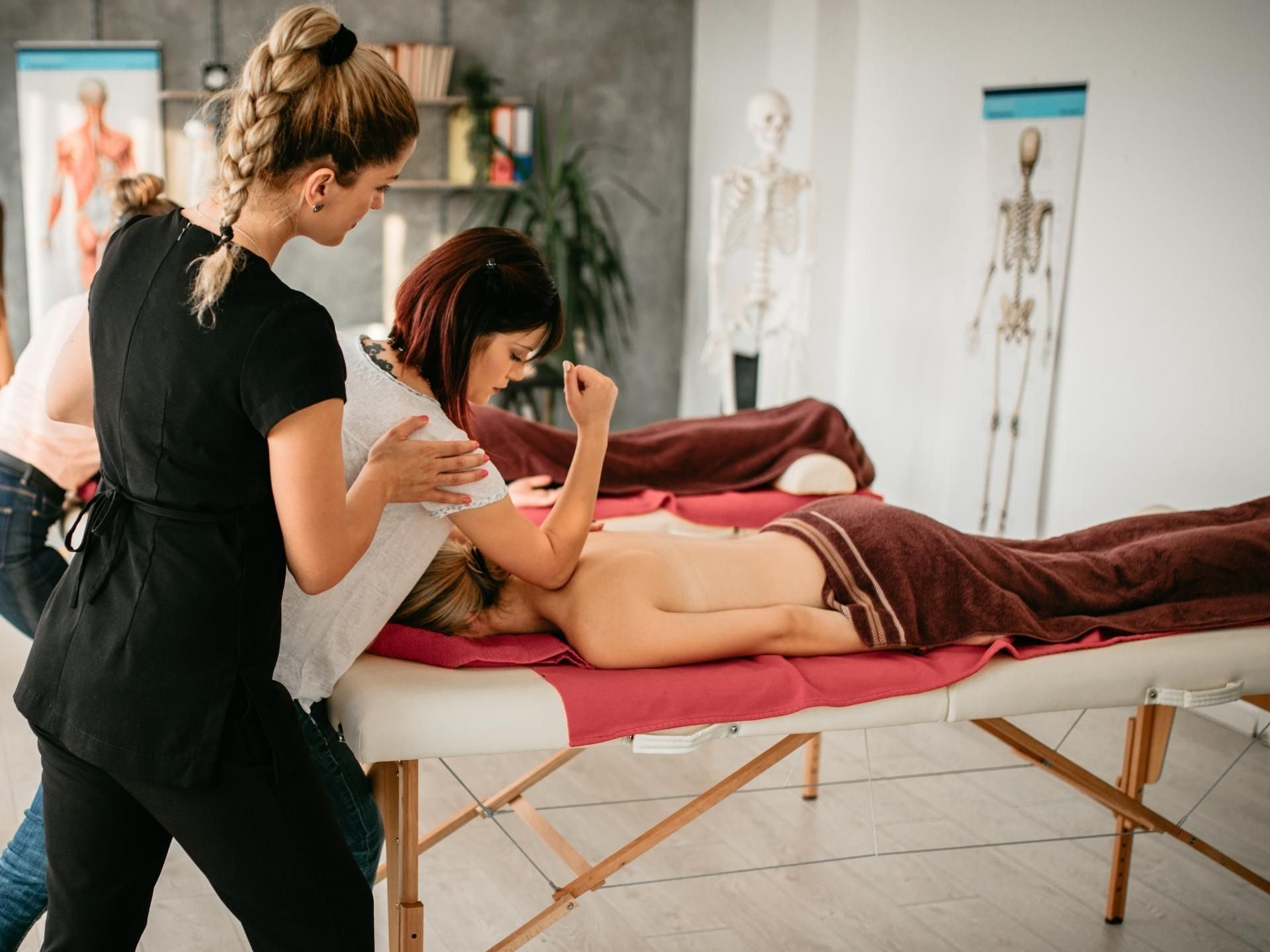
Interested In A Career In Massage Therapy? What You Need To Know
The freedom to shape your future, the flexibility to control your days, and the career stability you want can all start at
massage therapy school
. It's an exciting opportunity to join a rapidly growing professional field, driven by clients who no longer see massage as an occasional pampering session. Pampering is still very much a thing, but massage is now an essential part of many people's overall wellness routines.
Before enrolling, prospective students often wonder what a career in massage therapy really involves. If you're asking, "What are things to know about being a massage therapist?" keep reading. A career in massage therapy is centered on wellness, personalized client care, practical hands-on skills, and more.
In this article, we'll cover:
•
What a massage therapist actually does
•
Education and training requirements
•
Why massage therapy is such an appealing career
•
Personal qualities that can help you succeed
Massage Therapy Is More Than Just Giving Massages
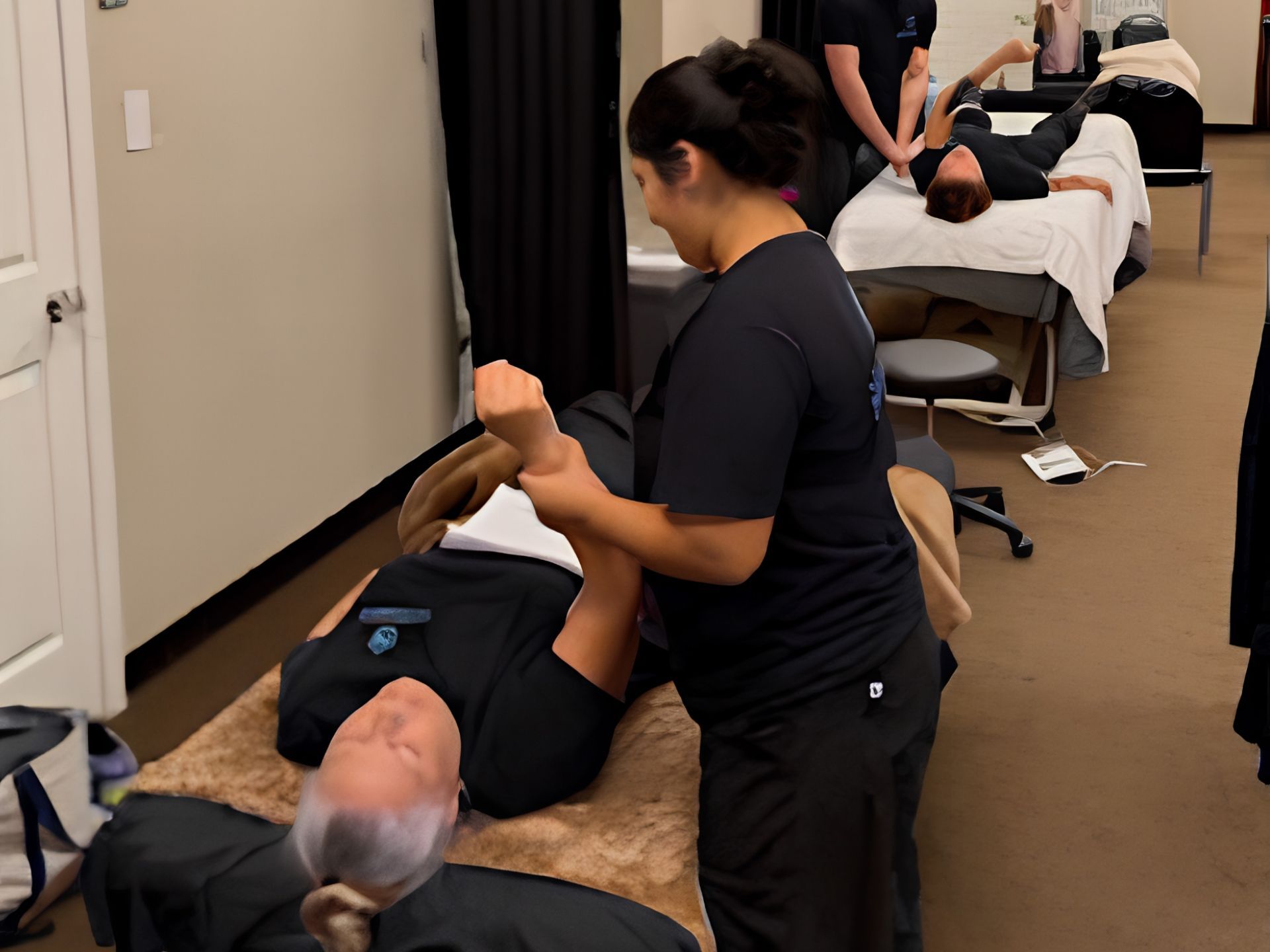
Massage therapy has become a staple in today's healthcare landscape. It supports relaxation, comfort, mobility, longevity, and overall well-being through
a wide variety of massage modalities and techniques.
So, what is a massage therapist? A massage therapist is a trained professional who brings to the table (quite literally) technical skill, knowledge of anatomy and body mechanics, clear communication, and personalized client care. Hands-on treatment and human connection come together in a unique, healing way. It's a versatile profession with multiple career paths and plenty of room for continued growth.
What Does a Massage Therapist Actually Do?
To answer the question "what does a massage therapist do?" it helps to understand that the role goes beyond the massage itself. It begins with listening. You'll meet with clients to learn their goals, concerns, and comfort levels before choosing the techniques that will best support their relaxation, recovery, and overall wellness. You're also responsible for creating a safe, comfortable environment where clients feel confident in the care they receive.
As with any career, there's work behind the scenes that helps your business thrive. The massage therapist occupation also includes maintaining accurate client records and keeping up with professional standards. Just as importantly, continuing to grow your knowledge and techniques benefits both your business and your clients.
Massage therapy blends technical ability, empathy, and interpersonal skills, all of which are important for building trust with each client.
Education and Training Requirements for Massage Therapists
Common massage therapist job requirements begin with completing massage therapy education program at a licensed institution so you qualify for professional licensure. A quality program combines anatomy, physiology, ethics, hands-on techniques, and more. Once you've completed the program, you'll need to be licensed or certified according to your state's requirements. Gaining practical experience through supervised training is just as important, so look for a program that offers hands-on training along with the fundamental coursework.
What Makes Massage Therapy an Appealing Career Choice?
A massage therapy career allows you to make a meaningful difference in people's lives. You'll help improve their health and well-being so they can live more active, joyful lives, all while enjoying
complete control over where, when, and how you work. Massage therapists don't just improve the lives of others; their own career path is wide open, too!
📌 You can continually upgrade your skills.
📌 Massage specialties are booming.
📌 Demand for massage therapists is strong, and income is solid and growing.
📌 You can work ANYwhere: traveling, clinics, spas, wellness centers, private practice, and more.
📌 You can work anyTIME. You're the boss, not bound to an 8-to-5 job.
It's your career. Shape it to fit your goals and your life.
What Qualities Help Someone Succeed as a Massage Therapist?
This is a common question, and it deserves attention. Keep in mind that developing a new passion means stretching yourself in new and exciting ways, so this list isn't meant to pigeonhole anyone. Still, here are several character traits that tend to align well with a career in massage therapy:
• Strong communication skills
• Professionalism and reliability
• Compassion and empathy
• Attention to detail
• Physical stamina and body mechanics awareness
• Commitment to lifelong learning
If these qualities sound like you, or are traits you'd like to develop, massage therapy may be your next career move.
Conclusion: A Rewarding Career Starts With the Right Training
A career in massage therapy takes education, skill development, and dedication. If the idea of opening this door has you even a little excited, this broader understanding can help you make an informed decision and take your next steps with confidence.
Kansas City Massage Institute is a great resource for exploring this path and the training required to get started. Explore our website or give us a call to learn how to begin your career in massage therapy and the opportunities that await.